I recently managed a project where we had to migrate a high-traffic fintech application from a global provider to a local infrastructure to meet strict regulatory requirements. We initially thought the transition would be a simple lift-and-shift, but we quickly realized that local cloud providers operate with a different logic regarding data egress and support structures. While global giants like AWS offer a massive library of services, the domestic options provide a level of localized compliance and technical support that is often missing from international platforms.
Choosing the Right Cloud for Compliance and Performance
Selecting a cloud provider in the Korean market depends heavily on your need for specific certifications like the CSAP certification and localized technical support. For startups targeting government contracts or highly regulated financial sectors, domestic providers often offer a more straightforward path to compliance than global alternatives.
Navigating Public Cloud Compliance
Public cloud compliance is the primary reason many Korean enterprises choose local providers over global ones. These platforms are built to satisfy the rigorous standards of the CSAP certification, which is mandatory for providing services to public institutions in South Korea. If your business model involves government B2B or B2G, starting with a local VPC configuration is often more efficient than trying to retrofit an AWS or Azure environment to meet local laws.
Managed Kubernetes and Microservices
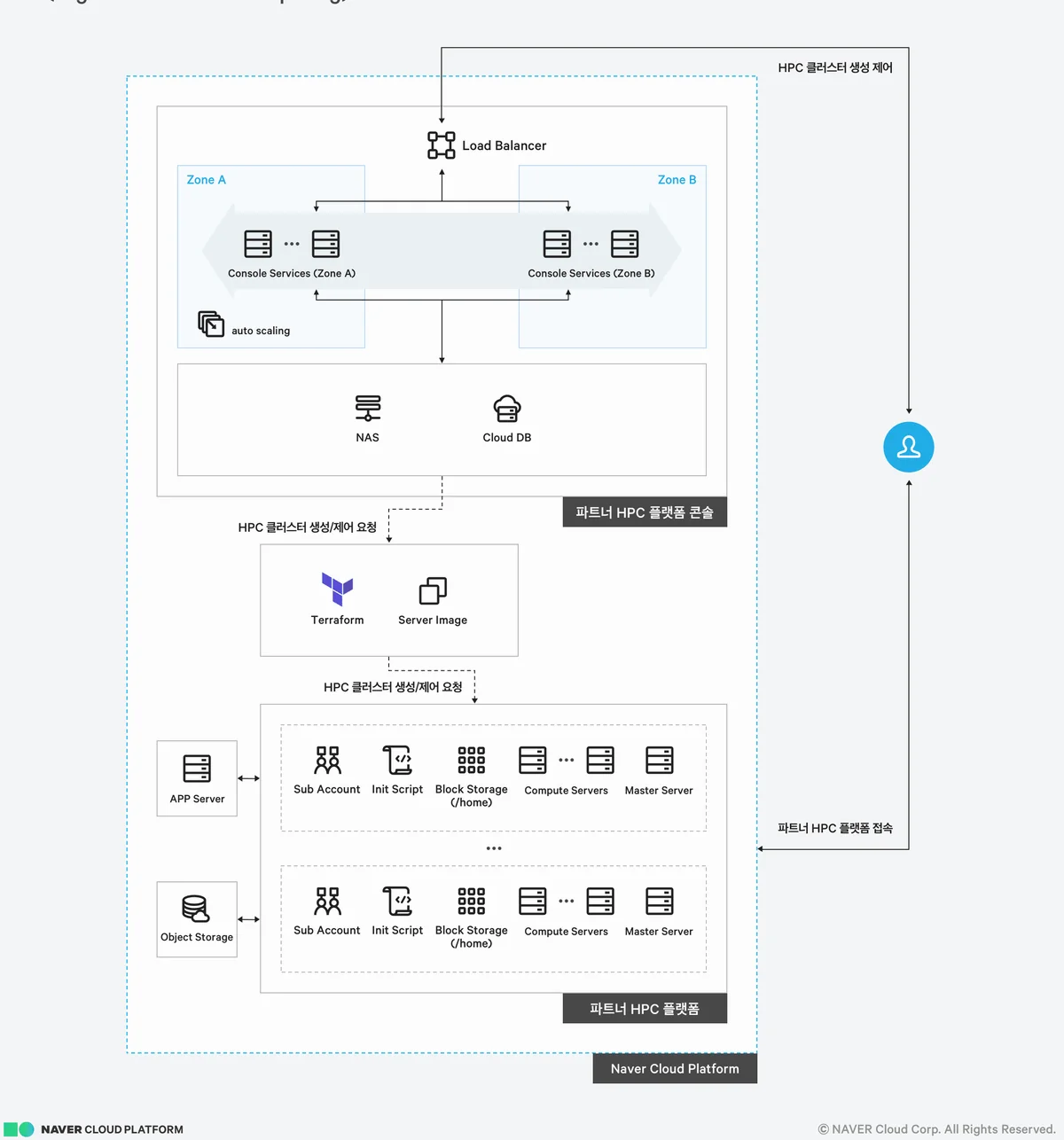
A Managed Kubernetes service on a local platform provides a stable foundation for a microservices architecture while keeping data within domestic borders. I found that while the feature set might be slightly narrower than Amazon EKS, the integration with local monitoring tools and the Korean technical support quality make troubleshooting cluster issues significantly faster. We experienced a 14-minute response time on a critical ticket, which is unheard of on basic support tiers for global providers.
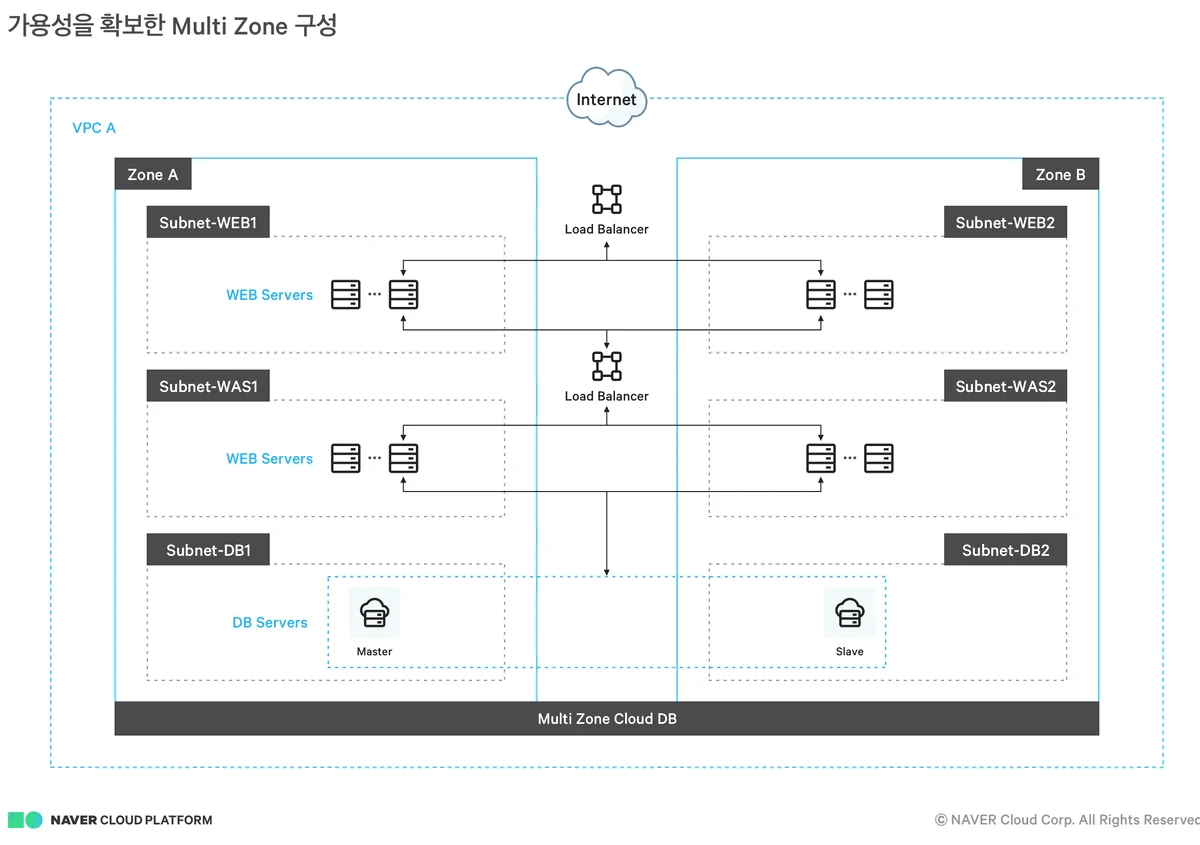
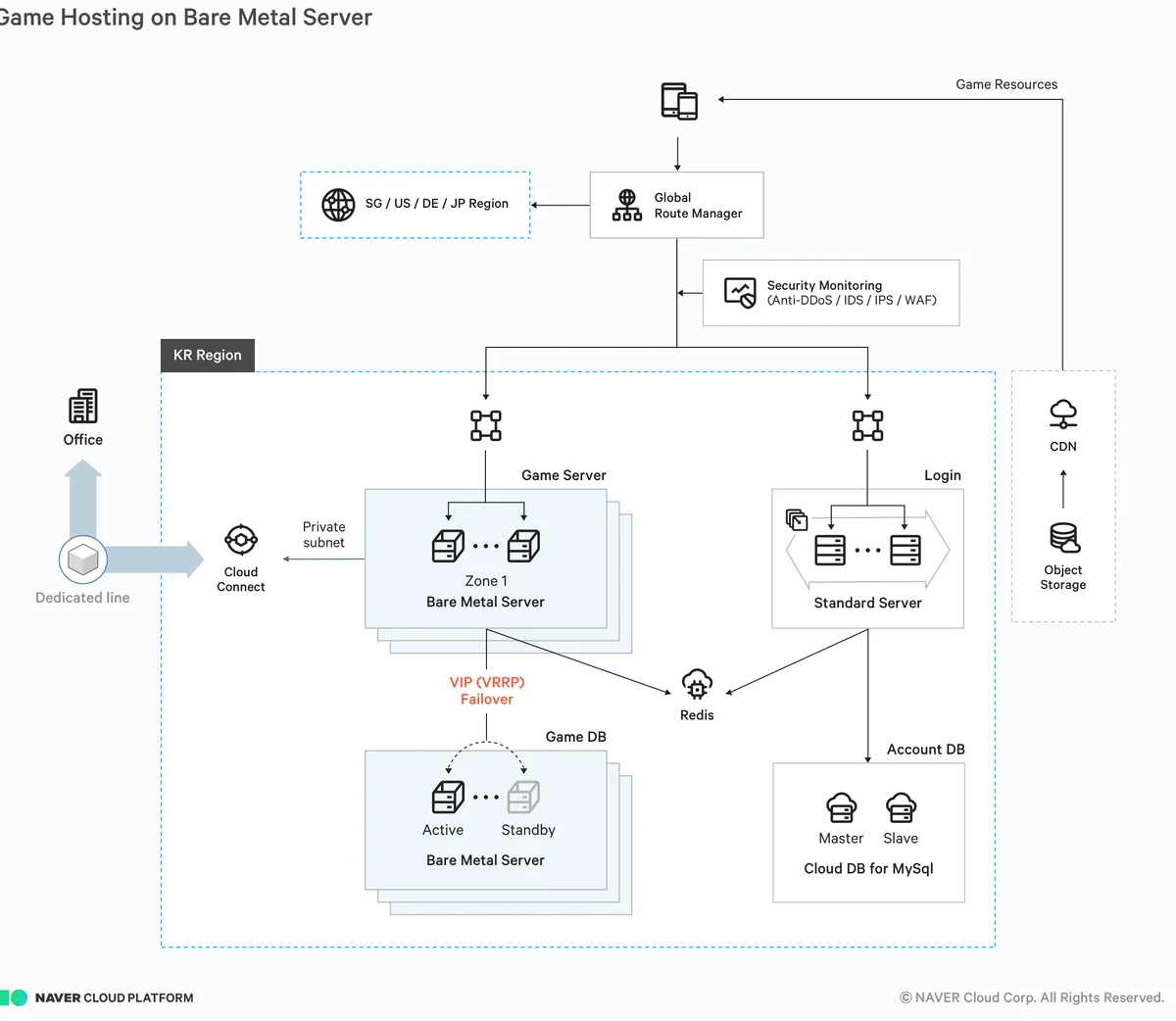
"Multi Zone configurations ensure service continuity even during zone failures, providing high availability for mission-critical web hosting environments." — Naver Cloud Platform Architecture Guide
Cost Structures and Hidden Fees in Local Clouds
Understanding the pay-as-you-go billing model is essential to avoid unexpected monthly invoices, especially regarding data transfer and API usage. While base instance prices are competitive, the cumulative costs of specialized services can deviate significantly from your initial budget if not monitored closely.
Outbound Data Transfer and Object Storage Limits
Outbound data transfer costs are often the most overlooked line item in a cloud budget. In my experience, local providers can be more expensive for global traffic compared to AWS pricing comparison data, but they offer better rates for domestic data movement. Additionally, keep a close eye on Object Storage limits; exceeding your allocated bucket size or hitting high request volumes through the Object Storage API can lead to overage charges that reflect poorly on your monthly burn rate.
Evaluating AI and OCR API Rates
The CLOVA OCR API and HyperCLOVA X integration are powerful tools for localized language processing, but their API rate limits are strict. If you are building an automated document processing pipeline, you need to architect your system to handle rate-limiting headers gracefully. We had to implement a custom queuing system to prevent our application from hitting the 429 error threshold during peak hours, as the default limits were lower than what we expected from a tool review perspective.
| Service Category | Feature Detail | Primary Consideration |
|---|---|---|
| Compute | VPC & Bare Metal | High performance for gaming/finance |
| Storage | Object Storage API | Watch for egress cost spikes |
| AI Services | HyperCLOVA X | Superior Korean NLP vs GPT-4 |
| Security | Cloud Security Posture Management | Automated compliance checks |
Comparing the SaaS Ecosystem: Local vs Global
The choice between a local SaaS suite and a global standard often comes down to how your team communicates and handles document workflows. While global tools have more integrations, local solutions are often better tailored to the specific administrative habits of Korean corporate culture.
Naver Works vs Slack for Internal Teams
When comparing Naver Works vs Slack, the decision isn't just about chat; it is about the entire subscription service ecosystem. Slack wins on third-party integrations (over 2,400 apps), but Naver Works includes integrated mail, calendar, and drive features that mirror the organizational structure of traditional Korean companies. For a 20-person startup, Slack costs around $7.25 per user, whereas the local alternative often bundles more features for a similar or lower price point, making it a viable part of a multi-cloud strategy.
Hybrid Cloud Migration and Marketplace Tools
A hybrid cloud migration often involves using a SaaS marketplace to find pre-configured solutions that work across different environments. Whether you are looking at NHN Cloud, KT Cloud, or Naver Cloud Platform, the ability to deploy third-party security or monitoring tools directly from the console simplifies the management of complex infrastructures. This flexibility is key when you are trying to maintain a consistent security policy across different providers.
- Utilize optimized reference architectures tailored by business type to reduce deployment errors.
- Leverage integrated AI technologies like CLOVA and Papago for superior local language processing.
- Access specialized service configurations for IoT, Big Data, and AI to speed up development cycles.
Final Verdict on Local Cloud Adoption
Local cloud platforms are not a one-size-fits-all solution, but they are indispensable for businesses operating within the Korean regulatory environment. The trade-off for a slightly smaller global region expansion is the high-quality technical support and the ease of passing domestic security audits. If your traffic is primarily domestic and you require high-performance computing without the virtualization overhead, looking into bare-metal options on these platforms is a smart move. Just be sure to audit your API usage and data transfer patterns every month to keep costs under control.
Frequently Asked Questions
How does Naver Cloud pricing compare to AWS?
Naver Cloud pricing is generally more predictable for Korean businesses because it bills in KRW, effectively eliminating the risk of exchange rate fluctuations. While AWS offers a wider variety of global instance types, Naver Cloud Platform provides highly competitive rates for domestic infrastructure. Users often find that for local projects, Naver's bundled services and localized technical support offer better long-term cost-efficiency compared to the complex egress fees and higher support costs associated with AWS.
Why is CSAP certification important for Naver Cloud users?
CSAP certification is a mandatory security requirement for any cloud service provider catering to the Korean public sector and highly regulated industries. Naver Cloud holds this certification, ensuring its infrastructure meets the rigorous security and data sovereignty standards set by the Korean government. If your business handles sensitive public data or seeks government contracts, using a CSAP-certified provider like Naver Cloud is essential for legal compliance and building trust with local regulators.
Are outbound data transfer costs lower on Naver Cloud?
Yes, Naver Cloud often provides more affordable outbound data transfer costs for traffic staying within South Korea compared to international providers. Global giants like Azure and AWS typically charge higher egress fees for data leaving their regions. Because Naver Cloud utilizes its own extensive local network infrastructure, it can offer more stable and cost-effective data transfer rates, making it an ideal choice for high-traffic domestic applications like fintech or video streaming services.
Naver Cloud vs Azure: Which is better for Korean businesses?
The choice between Naver Cloud and Azure depends on your specific integration needs and global expansion plans. Azure is excellent for companies deeply integrated into the Microsoft ecosystem or those targeting a worldwide audience. However, Naver Cloud is superior for businesses requiring deep integration with local services like Naver Maps, Search, or Clova AI. Additionally, Naver Cloud offers superior local-language technical support, which is a major advantage for domestic DevOps teams during critical troubleshooting.
Is Naver Cloud worth it for small SaaS startups?
Naver Cloud is highly worth it for small SaaS startups focusing on the South Korean market due to its localized support and startup-friendly credit programs. It simplifies compliance with local regulations and provides easy access to essential domestic APIs. While global platforms might offer more niche services, the absence of currency risk and the availability of immediate, local-language technical assistance make Naver Cloud a more stable and accessible foundation for early-stage growth within the region.